Financial Times: Albania untamed - The Financial Times
Exploring the quieter corners of this Balkan jewel
By Camilla Bell-Davies
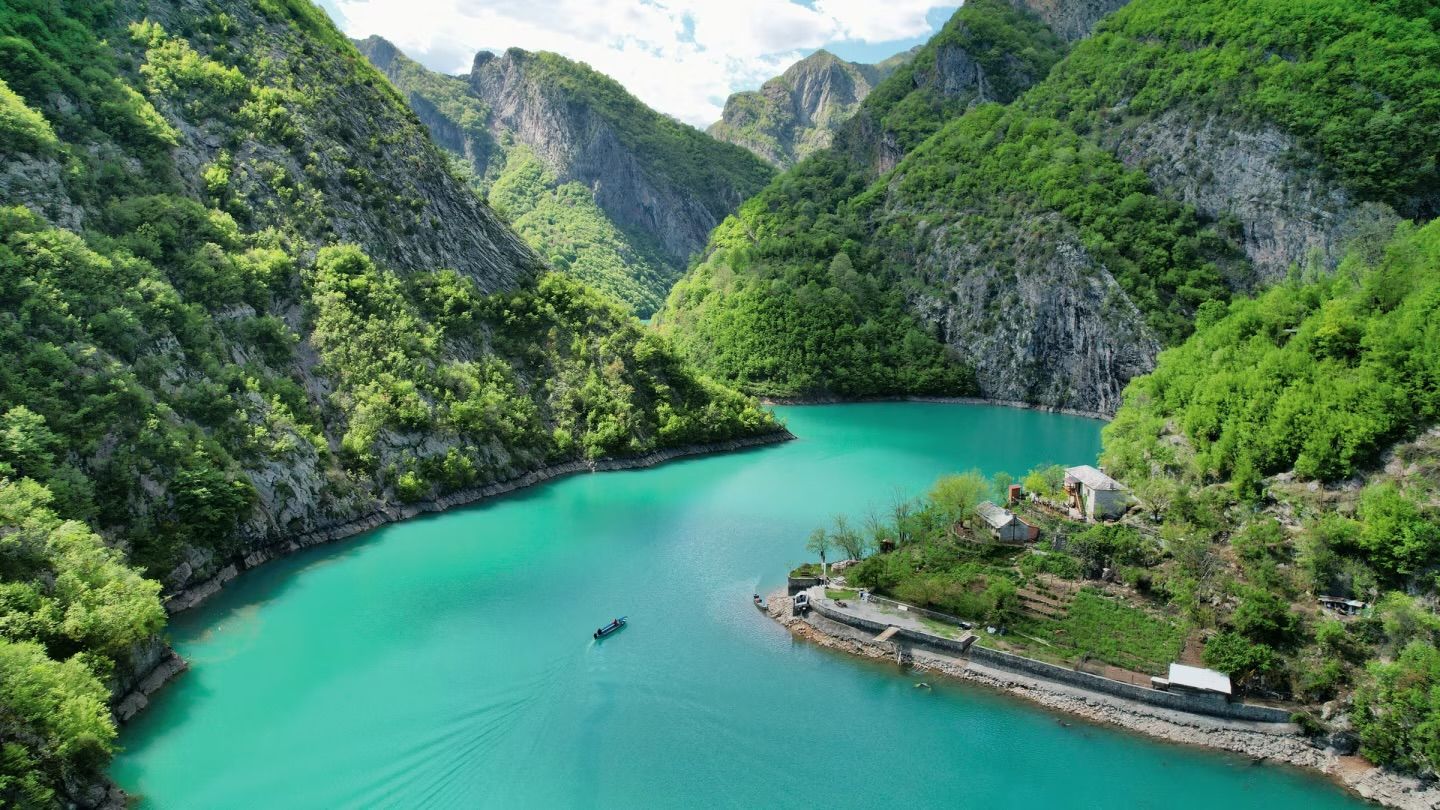
There’s a Himalayan wilderness on Europe’s doorstep. The fierce, brooding landscapes of Albania were sealed off from the world during a 46-year communist era, when those sailing to Corfu could only gaze across at its dark shores and wonder.
Times have changed; Leonardo DiCaprio is now an advocate for the preservation of Albania’s rugged nature, and a substantial investment from outdoor brand Patagonia to safeguard the Vjosa, Europe’s last wild river, from human interference was announced last spring. Ryan Gellert, Patagonia’s CEO, embraced the cause after sleeping on the Vjosa’s riverbank seven years ago.
The protective effort comes at a pivotal moment. Albania’s Adriatic coastline was a popular beach break this summer as travellers came in search of undiscovered spots and budget-friendly prices. Faced with this inevitable boom in visitors, many are wondering how to preserve the wild essence that drew people in the first place.
To find it, head deep into Albania’s hinterlands, where farmers-turned-guesthouse owners are practising a form of slow rural tourism that preserves Albania’s agrarian traditions and soulful hospitality, similar in spirit to Italy’s agriturismo farmstays. Among these is Albanik, a boutique agroturizëm tucked amid the forests and mountains of Vjosa’s Deshnica valley. Here, host Elona Bejo gathers the local bounty to lay on sumptuous meals in elegant interiors. She leads hikes along the Vjosa’s trails to gather medicinal herbs and explore the shrines of the Bektashi, a mystical Sufi order known for its whirling-dervish performances. While the Albanik experience is rooted in tradition, she has layered in modern touches like yoga retreats and vegetarian cuisine.
The house of the Albanian belongs to the guest
The continuity of sustainable practice has been relatively uninterrupted here in Albania, only briefly cast aside in the mid-’90s during the chaotic transition. Bejo explains that many locals tap into their parents’ knowledge without the need to delve too far back into history. She hopes visitors can glean insight from this self-sufficient existence: “Electrician, nurse, agronomist, vet, cook, inventor, carpenter… I am all these professions and many others,” she says as she posts a photo of herself soldering the broken plug of her laptop.
North of the Vjosa loom the Accursed mountains, the name alone irresistible to adventurers. Their dark rock towers and deep river valleys afforded protection to local Highland clans who organised themselves according to an ancient code, the Kanun of Lekë Dukagjini. While the Kanun’s blood feud laws have largely subsided (though money vendettas remain), its emphasis on honouring visitors perseveres.
Full article: https://www.ft.com/content/2e6ea521-91da-44e1-b090-7a4ee87d0635